
Last Updated: October 23, 2026
Quick Summary
Combat loneliness through shared hobbies by joining groups where you meet people regularly, conversation happens naturally, and consistency builds relationships. The activity itself isn’t the cure, the people are. Show up weekly to the same group, and over time you move from stranger to familiar face to friend.
- 63% of people feel the need to belong to a community built around shared interests, according to WeRoad’s 2026 research.
- The best hobbies for loneliness happen regularly, involve other people working together, and create natural opportunities to chat and help each other.
- Give a group at least four to six visits before deciding if it’s right for you, as familiarity forms on the second and third visits.
- Move beyond the activity by suggesting coffee after the group, exchanging phone numbers, or messaging someone about the hobby outside group time.
- Consistency is the single most important factor, pick a group and commit to eight weeks to build real friendships.
Table of Contents
- Why Shared Hobbies Combat Loneliness Through Social Connection
- Hobbies for Loneliness: Finding Activities That Build Belonging
- Social Activities for Older Adults: Joining Groups Based on Shared Interests
- Online Hobby Groups: Connecting From Home
- Conversation Starters for Meeting New People in Hobby Groups
- From Shared Interests to Lasting Friendships: Making It Stick
- Choosing a Group That Fits: Avoiding Awkward First Meetings
- Frequently Asked Questions
Why Shared Hobbies Combat Loneliness Through Social Connection
Shared hobbies combat loneliness through social connection in a way solitary activities cannot.
A Reddit post in r/lonely makes this point sharply: to combat loneliness through shared hobbies, you need people, not just activities.
According to WeRoad’s 2026 research on loneliness and community, 63% of people feel the need to belong to a community built around shared interests, and 72% would like more real-world experiences.
The science is straightforward: regular social contact around something you both enjoy reduces stress and builds trust.
Hobbies for Loneliness: Finding Activities That Build Belonging
Not every hobby works equally well for combating loneliness. Some naturally create conversation; others can be done entirely alone, even in a group.
The best hobbies for loneliness share three things:
- They happen regularly (weekly, not once a year)
- They involve other people working toward something together
- They create natural opportunities to chat and help each other
Gardening and outdoor activities
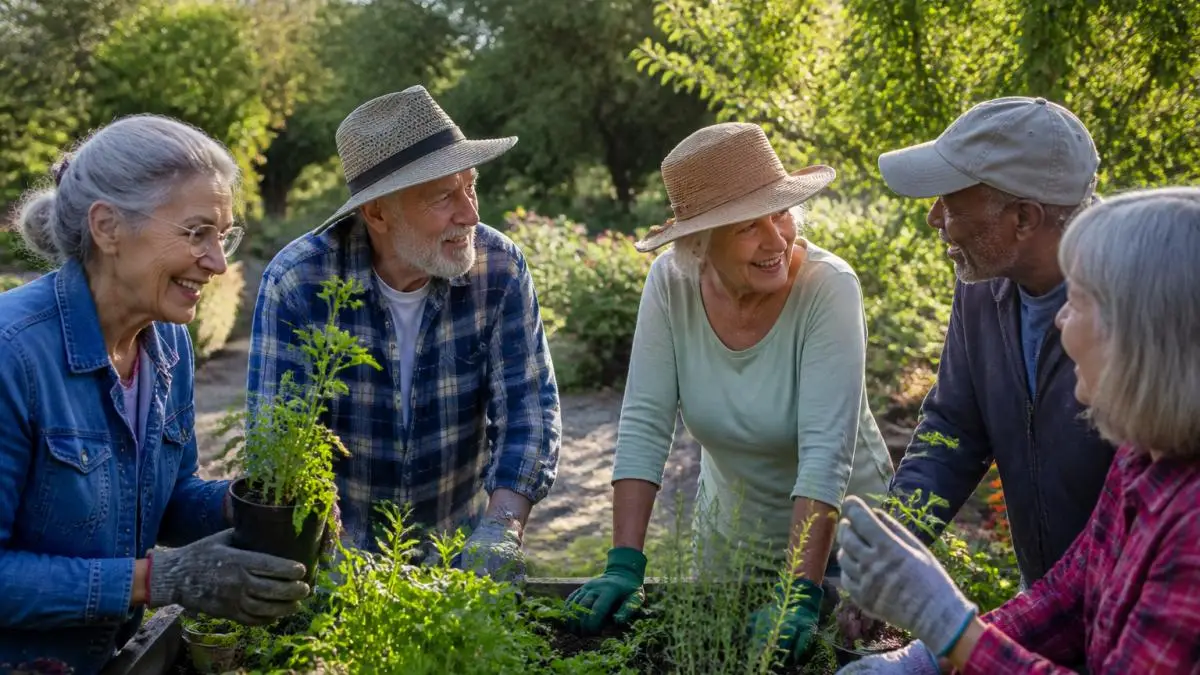
Gardening is one of the strongest loneliness-fighters available. Join Gardening Club Australia Today to connect with other gardeners and start building friendships around your shared passion.
Community gardens across Australia bring together people who might never otherwise meet. You get a plot and grow alongside others.
Walking and hiking work similarly. A regular walking group gives you company, fresh air, and a pace that allows for conversation.
Other outdoor activities that build connection:
- Birdwatching groups
- Park clean-up volunteer days
- Outdoor photography clubs
Creative and learning-based hobbies
Creative hobbies put you in rooms with people who share your interests. A pottery class, painting group, or book club creates natural social structure.
Book clubs are particularly effective: you read the same book, meet to discuss it, and have hours of conversation built in beyond small talk.
Other creative options worth exploring:
- Painting or drawing classes
- Writing workshops
- Craft groups (knitting, woodworking, jewellery-making)
Movement and wellness activities
Exercise groups combat loneliness two ways: regular social contact and the mood boost from movement itself.
Walking groups deserve their own mention: free or nearly free, accessible to most fitness levels, and outdoors.
Options that work well:
- Community fitness classes
- Swimming groups
- Yoga or tai chi clubs
The best hobbies for combating loneliness share common characteristics that naturally build connection.
| Hobby Type | Examples | Why It Works |
|---|---|---|
| Gardening and outdoor activities | Community gardens, walking groups, birdwatching, park clean-ups | Regular contact, natural conversation, shared results |
| Creative and learning-based hobbies | Pottery, book clubs, painting, writing workshops, music, dance | Built-in social structure, learning reduces awkwardness |
| Movement and wellness activities | Yoga, fitness classes, swimming groups, bushwalking, lawn bowls, tennis | Regular social contact plus mood boost from exercise |
Social Activities for Older Adults: Joining Groups Based on Shared Interests
Finding the right group matters more than finding the perfect hobby. A poorly-run group leaves you more isolated; a welcoming group around almost any activity builds real connection. Here’s a practical process you can follow this week.
Step 1: Define your constraints before you search
Before you look at a listing, write down four things:
- Budget: What can you afford weekly or monthly? Many groups are free or gold-coin donation; knowing your limit stops you wasting time on options you cannot sustain.
- Time: Which day and time realistically works? A weekly commitment beats fortnightly, but only if you can keep it. Be honest about caring responsibilities, work, and energy.
- Access: How will you get there? Consider transport, parking, walking distance, and accessibility. A group you cannot reliably reach will not last.
Step 2: Search in the right places
Most people look in one or two places and give up. You can also search Local Gardeners to find gardening groups in your area. Cast a wider net:
- Local council websites: Most publish community directory listings, usually free and low-cost.
- Libraries: Ask at the front desk, many run book clubs, craft groups, and keep noticeboards of local activities.
- Community centres and neighbourhood houses: Purpose-built for this. Ask what is running this term.
Step 3: Make first contact before you attend
This step reduces first-time anxiety the most, yet most people skip it. Send a short message or call:
“Hi, I saw your group meets on Tuesdays. I’m new to [hobby] and thinking of coming along. Is it okay to just turn up, or should I let someone know first? Is there anything I should bring?”
Their reply tells you a lot: a warm, specific answer is a green flag, a vague or dismissive one a red flag. You’ve lost nothing by asking.
Step 4: Plan your first visit
- Arrive a few minutes early. It is easier to join a forming group than one already underway.
- Bring the basics. Comfortable shoes, water, and anything the organiser mentioned. Do not over-prepare.
- Set a low bar. Your only goal is to show up and stay the whole session. You do not need a friend on day one.
Step 5: Follow up within 48 hours
If the group felt even mildly positive, do one small thing within two days: thank the organiser or ask about the next meeting. This moves you from anonymous visitor to recognised participant and gives you a reason to return.
Step 6: Commit to a trial period
Give a group at least four to six visits. First impressions are unreliable, familiarity forms on the second and third visits. If after six you still feel like an outsider, try somewhere else. That’s not failure; it’s information.
If you are nervous about attending alone, ask the organiser whether you can arrive ten minutes early to help set up. Having a small job gives you a natural reason to talk to people and removes the awkwardness of walking into a room of strangers.
A note on different budgets, abilities, and locations
Not every option costs money or requires travel. Libraries, community gardens, parkrun, and walking groups are typically free. Online groups suit regional or remote residents, people with mobility limitations, or unpredictable schedules. If cost is a barrier, ask about concessions, many exist but aren’t advertised.
Online Hobby Groups: Connecting From Home
Not everyone can attend in-person groups. Mobility issues, caring responsibilities, regional isolation, or preference may make online connection work better.
Online gardening forums, photography groups, book clubs, and craft communities exist for nearly every interest.
Gardening Club Australia operates as an online community specifically designed for this.
Conversation Starters for Meeting New People in Hobby Groups
The first few meetings can feel awkward. This is normal, most people in the group felt the same way. What separates a one-off visit from a lasting connection is not charisma but a few reliable scripts and knowing how to manage uncomfortable moments.
Start with the hobby, not with yourself
The easiest conversations begin with something you both already care about. You don’t need to be interesting; you need to be curious.
Simple openers that work in almost any group: You can also access Gardening Advice Across Every Australian Climate to learn about what grows in different regions, giving you natural conversation topics when meeting other gardeners.
- “Is this your first time here?” (to someone else who looks new)
- “How long have you been doing this?” (to someone who looks experienced)
- “What got you interested in [hobby]?”
The last one is particularly useful: it invites advice, which most people enjoy, and signals you are open to talking.
Use the three-question rule
A conversation stalls when it becomes an interview. Keep it flowing:
- Ask an open question about them or the activity.
- Listen for a detail to pick up on, a place, a person, a challenge, a preference.
- Follow up on that detail before adding something about yourself.
For example: “How long have you been coming?”, “About two years, since I retired.”, “What did you do before? Does the group help fill that gap?” That is a conversation, not a questionnaire.
Scripts for the awkward moments
Awkwardness is not a sign you’re doing it wrong, it’s normal. Having a line ready stops a small pause becoming a reason to leave.
- If you blank: “I’m still getting the hang of this, what’s the best part of the group for you?”
- If you say something clumsy: “That came out wrong, what I meant was…” A light recovery is more likeable than a perfect sentence.
- If someone seems uninterested: “No worries, I’ll let you get back to it. Good to meet you.” Exit gracefully and try someone else later.
If social anxiety is stopping you from attending at all, that is worth addressing directly. A GP can discuss options, and organisations such as Beyond Blue and Lifeline offer free support. Hobbies can help with loneliness, but they are not a substitute for professional help when distress is significant or persistent.
Move from small talk to a real conversation
The best conversations start with genuine curiosity. Ask about their experience, listen, and follow up. Most people enjoy talking about their hobbies, they’re there because they care about it.
If the group has a break, that is your moment. Stand near someone, make eye contact, and say: “This is my first time.
Close the conversation well, and follow up
The end of a conversation matters as much as the start. A good close gives you a reason to speak again:
- “It was good to meet you. I’ll be here next week, see you then?”
- “I’m going to try that tip you mentioned. I’ll let you know how it goes.”
- “Do you come every week? I’m hoping to make this a regular thing.”
Then follow up: “How did the [thing they mentioned] go?” Remembering a small detail is one of the strongest signals of friendliness. If it went well, suggest a low-pressure next step: “A few of us usually grab a coffee after, want to join?”
Be patient with yourself
You won’t click with everyone, and not every conversation will be smooth, true for everyone in the room, including the confident-looking ones. The goal is not to be impressive but present, curious, and consistent. Do that, and conversation gets easier with each visit.
From Shared Interests to Lasting Friendships: Making It Stick
Showing up once doesn’t build friendship. Showing up regularly does.
Show up consistently
This is the single most important factor.
Pick a group and commit to eight weeks. By then you’ll know people, they’ll know you, and conversation will feel easier.
Consistency also means reliability. If you say you’ll be there, be there. People notice. They start to count on you.
Move beyond the activity
After a few weeks, suggest coffee after the group, exchange phone numbers, message someone about the hobby outside group time, or invite someone to a related activity. The group is the foundation; the one-on-one connection is where real friendship grows.
Be patient with the process
Real friendship doesn’t happen in a week or two, it builds over months of regular contact, conversation, and showing up for each other. Some groups feel like family quickly; others take longer. If after two months you’re still not connecting, try a different group.
Choosing a Group That Fits: Avoiding Awkward First Meetings
A bad group experience can make you less likely to try again. Choosing carefully matters.
Before committing, visit once as an observer if possible. Arrive early and watch how the group operates:
- Do established members acknowledge newcomers?
- Is the atmosphere relaxed or competitive?
- Are people of different ages and backgrounds welcome?
Ask the organiser directly: “What’s the group like for someone new?” A dismissive or vague answer is a red flag.
Trust your instinct.
Combat loneliness through shared hobbies by starting with one group this week.
Frequently Asked Questions
What hobbies can help with loneliness?
Group-based hobbies work best because they combine activity with social connection. Gardening, book clubs, walking groups, yoga classes, pottery, community choirs, and volunteering all create regular opportunities to meet others with shared interests. The key is choosing something you genuinely enjoy so you’ll show up consistently. Consistency builds friendships more effectively than any single activity.
How can online hobby groups help reduce loneliness?
Online hobby communities remove barriers like transport, mobility, or living in isolated areas. Members can share photos, ask advice, and chat about shared interests from home. Gardening Club Australia, for example, connects gardeners nationwide, allowing members to showcase their gardens and exchange practical knowledge. Online groups often lead to real-world friendships when members meet for activities or local meetups.
How often should you attend a group activity to build friendships?
Regular participation matters more than frequency. Attending the same group weekly or fortnightly helps others recognise you and creates natural opportunities for conversation. Consistency signals genuine interest and makes it easier for friendships to develop. Even monthly attendance at the same group builds stronger bonds than sporadic visits to different activities.
What if I feel anxious about joining a hobby group for the first time?
Many people feel nervous before their first meeting. Arrive a few minutes early to settle in, bring a question or comment ready to share, and remember that most group members were once newcomers too. Choose a group with a clear focus (gardening, walking, book club) so conversations have a natural starting point. If the first group doesn’t feel right, try another, finding the right fit sometimes takes a few attempts.
