
Last Updated: October 26, 2026
Quick Summary
Gardening widows widowers find solace and healing through tending plants, which offers purpose, connection, and gentle structure during grief. For those managing a garden alone, starting small with easy-care plants like herbs, natives, or succulents prevents overwhelm while building confidence and agency.
- Research shows meaningful connections between home gardening and older adults’ emotional health and positive aging benefits.
- Memorial gardens can start as a single pot or 1 metre by 1 metre raised bed themed around a spouse’s preferences.
- Easy-care plants for solo gardeners include rosemary, thyme, native shrubs, perennials, leafy greens, and succulents that tolerate neglect.
- Joining a gardening group or community provides shared knowledge, friendship, accountability, and practical support for widows and widowers.
- Long-handled tools cost AUD $30-$80 and reduce strain; qualified gardeners charge AUD $50-$90 per hour for high-risk tasks.
Table of Contents
- Gardening for Widows and Widowers: Finding Solace in Growth
- Gardening and Grief: How Nature Becomes Your Companion
- Memorial Garden Ideas to Honour a Loved One
- Easy-Care Plants for Older Adults Managing Alone
- Starting Small: Manageable Garden Projects for Difficult Days
- Gardening Groups for Older Adults: Building Connection After Loss
- Practical Help and Safety: Tending Your Garden Alone
- Join a Supportive Community of Gardeners
- Frequently Asked Questions
Gardening for Widows and Widowers: Finding Solace in Growth
Grief changes everything. After losing a spouse, the world feels smaller and unbearably lonely, yet getting your hands into soil can shift that weight, even for an hour.
Gardening for widows and widowers isn’t about a perfect garden. It’s about purpose, connection, and gentle healing through growing something.
This guide shows how gardening can become your companion during grief, and how to start, even on the hardest days.
Gardening and Grief: How Nature Becomes Your Companion
Spending time with plants offers something grief counselling alone cannot: a quiet, non-judgmental space where your emotions are welcome.
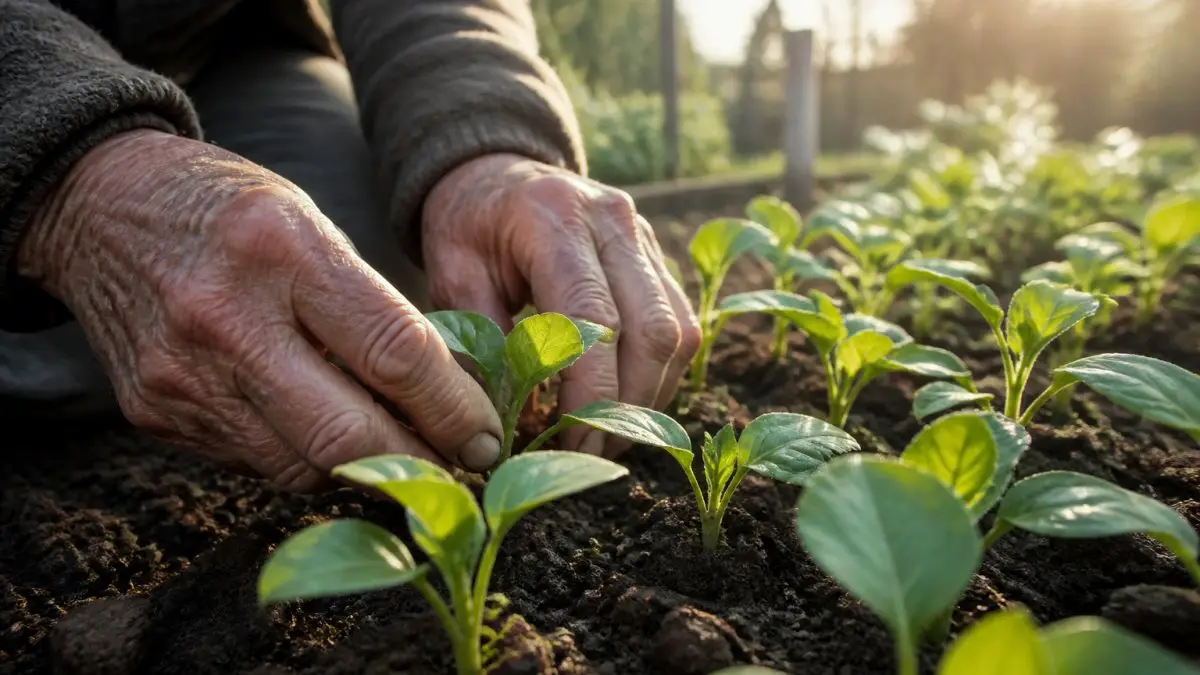
Research examining relationships between home and community gardening and older adults’ self-reported wellbeing found meaningful connections to emotional health positive aging benefits of home and community gardening.
Checking seedlings and harvesting can create structure when everything else feels chaotic; plants don’t ask questions, they respond to care with growth.
Gardening mirrors grief: some days plants thrive, other days they struggle.
Memorial Garden Ideas to Honour a Loved One
A memorial garden can be a single balcony pot or a native tree in the backyard. What matters is that it feels personal, stays manageable, and gives you a reason to step outside, ideal for gardening widows widowers with reduced energy, a fixed income, or limited physical capacity.
Step 1: Choose a scale that matches your capacity
Before buying anything, decide how much time and effort you can realistically give each week. A container or a single 1 metre by 1 metre raised bed can be a manageable place to start.
Step 2: Pick a theme that reflects your spouse
Memorial gardens feel meaningful when built around a specific memory or preference. Low-cost, low-effort themes include:
- The cook’s garden: Grow the herbs your spouse used most, rosemary, thyme, sage, or mint. Herbs such as rosemary, thyme, sage, or mint can be grown in pots or a small bed. Harvesting them for meals becomes a daily act of remembrance.
- The flower bed: Choose their favourite flower, or a colour that reminds you of them. Purple flowers such as lavender and salvia are often associated with remembrance, while forget-me-nots symbolise enduring love.
- The native tribute: A native tree or shrub, such as a grevillea, bottlebrush, or correa, grows year after year and attracts birds. Check with your local council or a native nursery for species suited to your area.
Step 3: Add a personal marker
A small plaque, painted stone, or handwritten label turns a collection of plants into a dedicated space. A river stone painted with a name and date can serve as a personal marker. Place it where you’ll see it from a window or while sitting in the garden.
Step 4: Build in flexibility for difficult days
Grief is unpredictable, so design the garden to survive low-energy periods. Group thirsty plants together, use self-watering pots or a drip line on a timer, and choose forgiving plants, succulents, rosemary, and most native shrubs.
Step 5: Let the garden evolve
A memorial garden doesn’t need finishing in a weekend. Many widows and widowers add one plant each month or anniversary, letting the garden grow alongside their grief. This pacing keeps it affordable and prevents overwhelm; if a plant dies, treat it as part of the process.
If you are unsure what will grow in your area, take a photo of your garden space to a local nursery or post it in a gardening community. Most gardeners are happy to suggest low-maintenance plants suited to your climate and your level of experience.
There is no right or wrong way to create a memorial garden. The best one is the one you can tend without resentment, and that gives you a quiet moment of connection whenever you step outside.
Easy-Care Plants for Older Adults Managing Alone
Managing a garden alone means choosing plants that don’t demand constant attention, so you focus on healing rather than upkeep.
The best plants for solo gardeners tolerate neglect, handle local weather without fussing, and reward you with visible growth. Gardening advice across every Australian climate from experienced members helps you select what thrives in your region.
Strong choices include:
- Herbs: Rosemary, thyme, and oregano thrive with minimal water and care. They’re useful for cooking and smell wonderful.
- Native plants: Local natives are adapted to your climate and typically need less watering once established. They also attract birds and butterflies.
- Perennials: These return year after year without replanting. Coneflowers, black-eyed Susans, and salvias offer colour with minimal fuss.
Avoid plants requiring frequent pruning, staking, or pest management. Your garden should support you, not exhaust you.
Starting Small: Manageable Garden Projects for Difficult Days
Grief is unpredictable. Some days you’ll have energy for bigger projects; other days even watering feels overwhelming. Small, manageable steps protect you from burnout.
Start with one or two pots. Plant a single herb or flowering plant you love. Water it. That’s enough.
Realistic first projects include:
- A single pot of herbs on a sunny windowsill. Takes 10 minutes to plant. Requires watering twice weekly.
- A small raised bed (roughly 1 metre by 1 metre). Easier on your back than ground-level digging. Fill with quality soil and plant leafy greens or herbs.
- A collection of three to five potted perennials. Arrange them where you see them daily. Watch them bloom without constant intervention.
Each small success builds confidence. You’re not creating a showpiece garden; you’re rebuilding agency and purpose through plants.
Gardening Groups for Older Adults: Building Connection After Loss
Isolation is one of grief’s cruelest companions. Joining a gardening group, online or in person, reminds you that you’re not alone. Other gardeners understand the quiet comfort plants provide and don’t rush your healing.
Australia’s friendly online gardening community connects gardeners nationwide with advice, friendship, and the chance to share garden photos without pressure or judgment. Many members are widowed or managing life alone.
Benefits of joining a gardening group include:
- Shared knowledge. Experienced gardeners answer questions about plants, pests, and seasonal care without judgment.
- Friendship. You meet people who share your interests and often your life circumstances.
- Accountability. Knowing others are gardening alongside you encourages you to keep going on difficult days.
Join Gardening Club Australia today for just AUD $5 per month. Members enjoy access to a friendly community, advice from experienced gardeners, and exclusive discounts on gardening supplies, tools, groceries, and fuel. For many widows and widowers on a fixed income, those savings add up quickly while the community becomes priceless.
Practical Help and Safety: Tending Your Garden Alone
Managing a garden alone after losing a spouse brings two challenges: staying safe while working solo, and finding reliable help for tasks too heavy, too high, or too risky. This guidance covers both, keeping you in control of your garden and budget.
Prioritise tasks by risk and effort
Not every garden job needs to happen this week. Sort tasks into three buckets:
- Must do now: Anything that poses a safety risk, clearing blocked paths, removing fallen branches, securing loose paving.
- Can wait: Cosmetic pruning, dividing perennials, repotting. These can be deferred for weeks or months without harm.
- Get help: Heavy lifting, high pruning, chainsaw work, and anything on a ladder. These are the tasks where a fall or strain could set you back for months.
A simple rule: if a task requires you to lift more than you could comfortably carry up a flight of stairs, or to stand on anything higher than a step stool, it belongs in the “get help” bucket.
Safety essentials for solo gardeners
- Protect your back: Use a raised bed or container garden to bring the work to waist height.
- Use the right tools: Lightweight, long-handled tools reduce bending and strain. Ergonomic handles and telescopic poles are worth the investment; expect to pay AUD $30-$80 for a good-quality long-handled tool.
- Work in short sessions: Twenty to thirty minutes is enough. Set a timer if you tend to overdo it. Fatigue and grief both affect balance and judgement.
How to ask for and coordinate help
Many people want to help but don’t know what to offer. Being specific makes it easier for them to say yes while you retain control.
- Make a short list: Write down two or three tasks you genuinely need help with, for example, “move two bags of soil to the raised bed” or “prune the top of the hedge.” Specific requests are far easier to fulfil than “help in the garden.”
- Ask for time, not just labour: A neighbour might not know a weed from a seedling, but they can help with heavy lifting or mowing. Match the task to the person.
- Use community networks: Men’s sheds, community gardens, church groups, and neighbourhood noticeboards often have volunteers who assist older residents with outdoor tasks. Your local council may also run a home maintenance program for seniors, check their website or phone the council directly.
Plan for year-round maintenance
A seasonal checklist turns good intentions into a manageable routine. The following is a general guide; adjust timing to your local climate.
| Season | Key tasks | Low-effort approach |
|---|---|---|
| Summer | Watering, deadheading, checking for pests | Water deeply twice a week rather than lightly daily; use mulch to retain moisture |
| Autumn | Clearing leaves, planting bulbs, soil improvement | Rake leaves into a pile for compost; plant bulbs in pots for spring colour |
| Winter | Pruning (light), protecting sensitive plants, tool maintenance | Focus on indoor tasks and planning; postpone heavy pruning if cold or wet |
| Spring | Planting, feeding, mulching, checking irrigation | Start with one bed or container; add mulch to suppress weeds and reduce watering |
If you are unsure about pruning a particular plant, do not guess. Incorrect pruning can damage or kill a shrub. Ask in a gardening community or consult a local nursery before cutting.
Budgeting for help and equipment
If money is tight, prioritise safety and ergonomics: a raised bed, a long-handled tool, and a trolley for moving bags.
Asking for help is not a sign of failure. It is a practical way to keep gardening part of your life for longer, and most people are glad to be asked.
Join a Supportive Community of Gardeners
Gardening for widows and widowers can include connecting with others who share an interest in gardening.
Grief doesn’t disappear through gardening. But a garden gives you something to nurture when you’re learning to live differently, quiet companionship, structure, and the gentle reminder that growth, in plants and in yourself, is always possible. Gardening Club Australia connects gardeners through a community where members can share advice, build friendships, and access discounts.
Frequently Asked Questions
Can gardening help with grief after losing a spouse?
Gardening can offer a way to spend time with plants and nurture something while grieving.
How can I start gardening again after losing my partner?
Begin with low-pressure projects that match your energy and physical capacity. Choose just one small bed, a few pots, or herbs on a windowsill. Select easy-care plants like herbs, leafy greens, or hardy perennials that need minimal maintenance. Work at your own pace, and don’t aim for perfection. Joining a gardening group or community can provide practical advice.
What are some low-effort gardening activities for difficult days?
On days when grief feels heavy, choose simple tasks: watering plants, deadheading spent flowers, harvesting herbs for tea, or simply sitting in your garden space. Other gentle options include tidying a small area, moving pots to catch better light, or planning next season’s planting. The goal is presence and care, not productivity.
How can a gardening group help someone who feels isolated after bereavement?
Gardening Club Australia is an online community where members can share garden photos, exchange advice with experienced gardeners, and access exclusive discounts on gardening supplies, tools, groceries, and fuel.
